

Forschungsprojekte
Forschungsschwerpunkte
Die Forschung des Lehrbereichs Bildungssoziologie konzentriert sich auf drei unterschiedliche Bereiche, deren gemeinsame Perspektive in der Lebensverlaufsforschung begründet ist:
- Bildungsforschung (mit Fokus auf Berufsbildung und höhere Bildung),
- Arbeitsmarktforschung sowie
- soziale Ungleichheitsforschung.
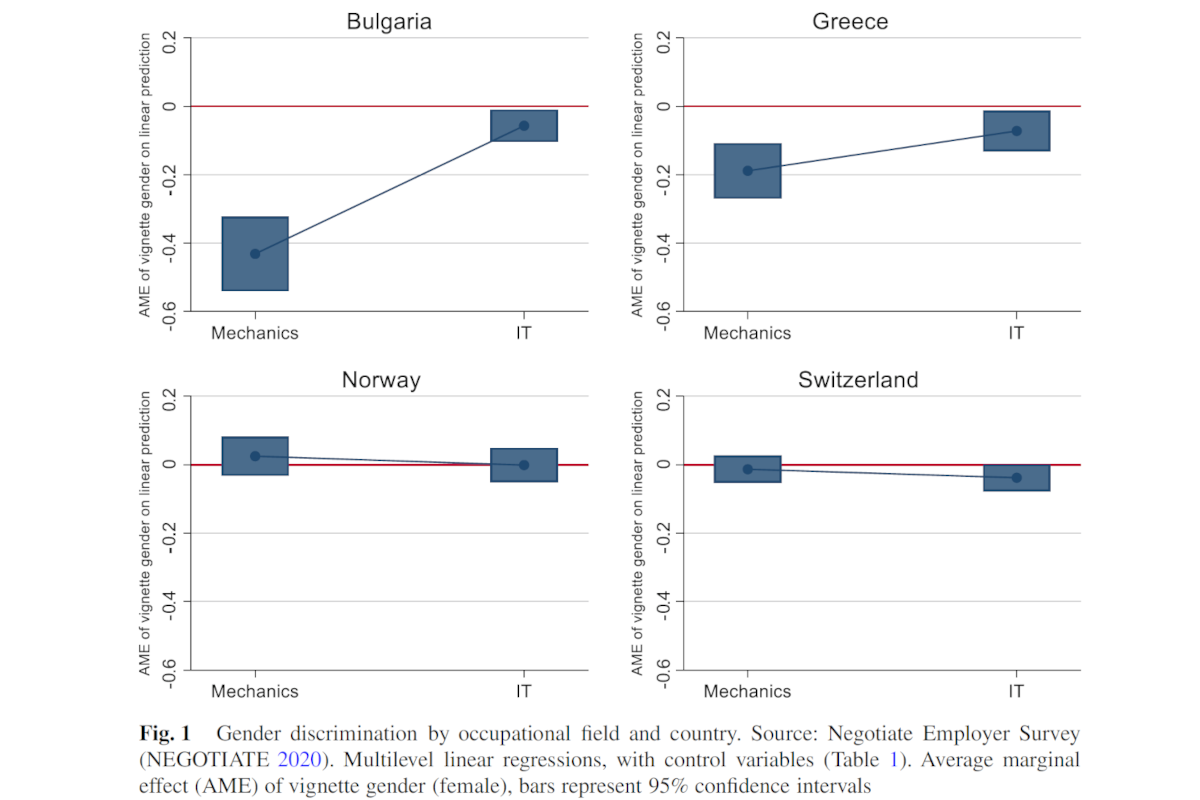
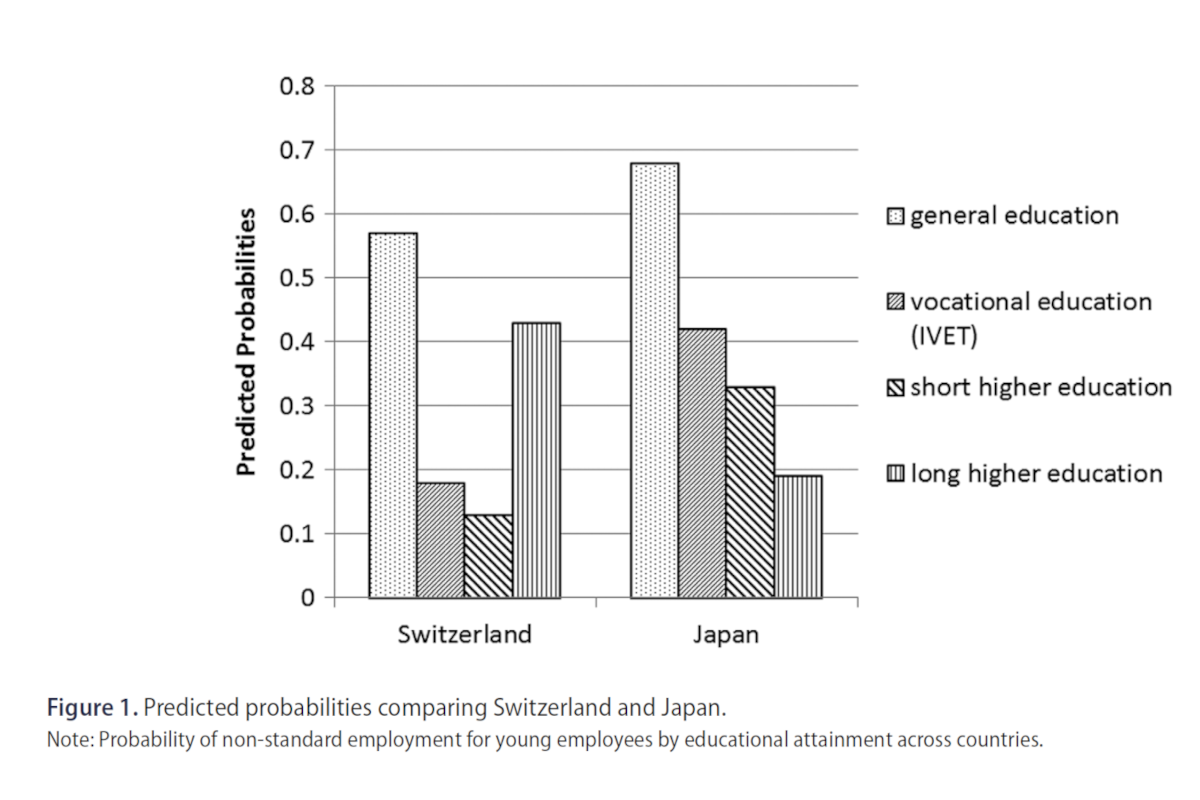
Unser zentrales Anliegen ist zu verstehen, welche Bedeutung nationale Institutionen, lokale (Bildungs-)Organisationen sowie askriptive Merkmale (u.a. Geschlecht, Herkunft, Alter) von an Bildung interessierten Personengruppen für die Strukturierung von ungleichen Bildungs- und Erwerbsverläufen haben. Bei der Untersuchung dieser Fragestellung interessieren wir uns sowohl für die institutionellen Bedingungen in Deutschland als auch im europäischen Vergleich. Beispielsweise untersuchen wir, warum Jugendliche aus bildungsfernen Schichten nach wie vor beim Zugang zur Hochschule benachteiligt sind, warum Frauen, obwohl sie besser gebildet sind als Männer, dennoch schlechtere Arbeitsmarktchancen als diese haben, oder wie Arbeitsorganisationen (Betriebe) individuelle Übergänge von Bildung in Beschäftigung mitbestimmen und dabei je nach Bedarf Diskriminierung als Ressource zur Lösung organisationaler Probleme einsetzen. Ein besonderes Augenmerk ist auf den Überschneidungsbereich von beruflicher und höherer Bildung gerichtet sowie auf individuelle Bildungsverläufe, die berufliche Bildung mit höherer Bildung verbinden. Theoretisch fördert der Arbeitsbereich darüber hinaus konventionensoziologisch angelegte Forschungsprojekte in den obgenannten Forschungsbereichen.